
How to Tell the Difference Between Chronic Dry Eye, Allergy Dry Eye, or Just Mild Dry Eye?
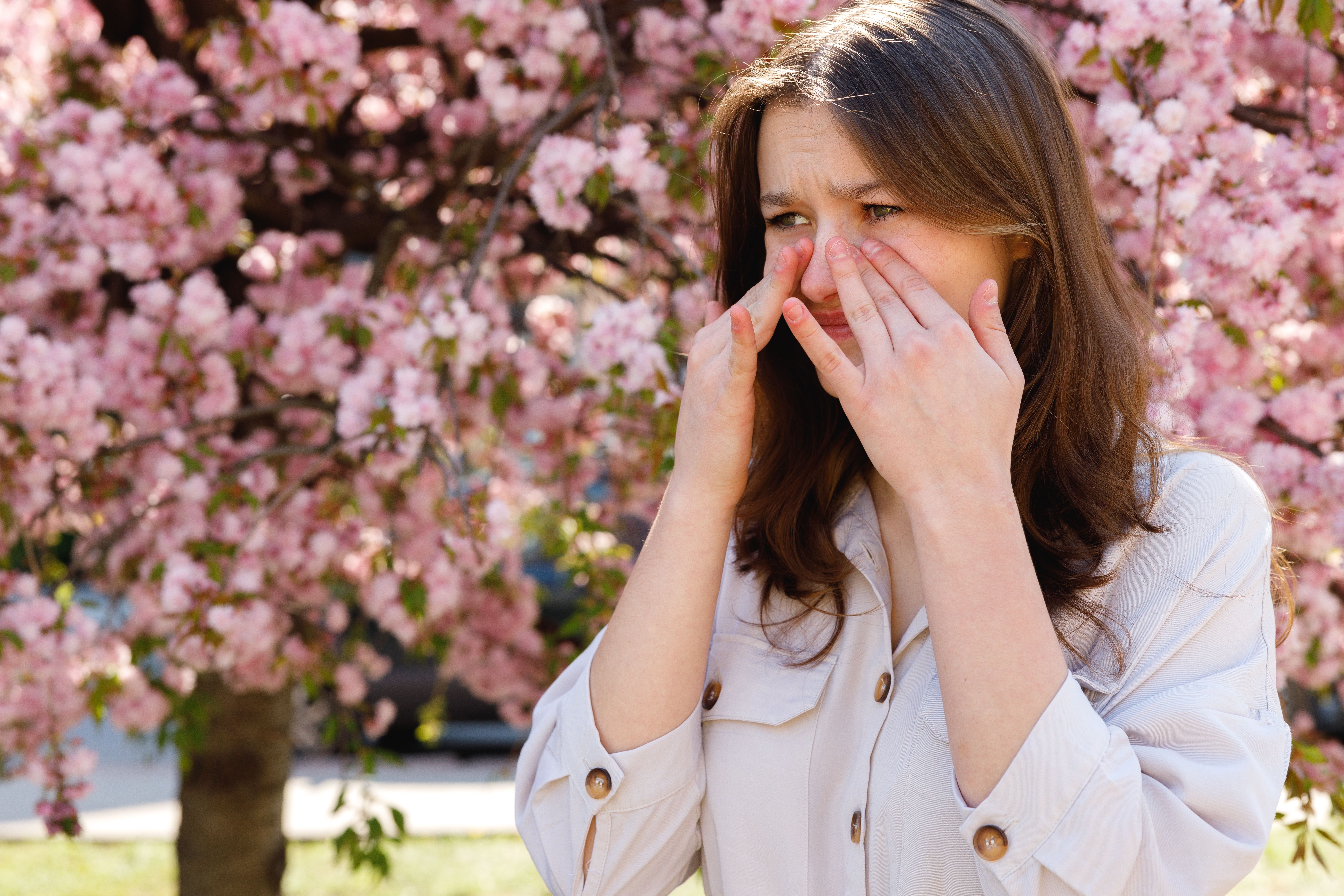
If your eyes constantly feel irritated, gritty, or watery, it’s easy to assume you simply have “dry eye.” However, not all dry eye is the same. The cause behind your symptoms determines the most effective treatment - and without a proper diagnosis, relief can be temporary at best.
At Eye Thrive Woodlands, we frequently see patients who have been using over-the-counter drops for months without lasting improvement. In many cases, the issue isn’t simple dryness - it’s either allergy-related inflammation or chronic dry eye disease.
Here’s how to better understand the differences.
Mild (Occasional) Dry Eye
Mild dry eye is usually temporary and situation-based. It often occurs after long hours on digital devices, exposure to air conditioning or wind, dehydration, or extended contact lens wear.
You may notice slight burning, dryness, or irritation that improves after blinking, resting your eyes, or using artificial tears. Symptoms tend to come and go rather than persist daily.
If your discomfort is short-lived and responds quickly to lubricating drops, you’re likely dealing with mild dryness rather than a chronic condition.
Allergy-Related Dry Eye
Allergy dry eye can look similar to traditional dry eye but typically has one standout symptom: itching. If your eyes feel intensely itchy - especially alongside redness, swelling, or watery discharge - allergies are likely playing a role.
Seasonal changes, pollen, dust, and pet dander commonly trigger this type of irritation. Instead of a lack of tears, the issue stems from inflammation caused by allergens disrupting the tear film.
Many patients treat the dryness but overlook the allergic component, which is why symptoms persist. If your eyes worsen during certain seasons or after outdoor exposure, allergy-related dry eye may be the cause.
Chronic Dry Eye Disease
Chronic dry eye is a long-term condition that usually does not resolve on its own. Unlike mild dryness, symptoms are persistent and often worsen over time.
Patients frequently describe a gritty or sandy sensation, burning that doesn’t fully improve with drops, fluctuating or blurry vision, light sensitivity, and ongoing eye fatigue. Artificial tears may provide only brief relief - if any at all.
This form of dry eye often involves underlying issues such as meibomian gland dysfunction, inflammation along the eyelids, hormonal changes, or age-related tear instability. Because it affects the quality and stability of the tear film, it requires targeted treatment beyond standard lubricating drops.
Why Proper Diagnosis Matters
Dry eye symptoms overlap, which makes self-diagnosis difficult. Treating allergy symptoms with basic artificial tears may not calm inflammation. Likewise, antihistamine drops won’t address blocked oil glands contributing to chronic dry eye.
If your symptoms last more than a few weeks, require frequent daily drops, or interfere with your vision and comfort, it’s time for a comprehensive evaluation. Advanced diagnostic testing can determine whether the issue is related to tear production, tear quality, inflammation, or environmental allergies.
Schedule Your Dry Eye Evaluation at Eye Thrive Woodlands
Dry, irritated eyes are not always “just dry eye.” Mild dryness, allergy-related irritation, and chronic dry eye disease each have different underlying causes - and therefore different treatment approaches. If your symptoms keep returning or never fully resolve, the solution may not be another bottle of over-the-counter drops. Identifying the root cause is the first step toward lasting relief and protecting your long-term eye health.
If you’re unsure which type of dry eye you’re experiencing, schedule a dry eye evaluation at Eye Thrive Woodlands. Visit our office in Woodlands, Texas or book an appointment on our website today.
Helpful Articles
article_category: products
article_category: psychiatry
article_category: faqs
article_category: cats
article_category: general
article_category: services
article_category: technology
article_category: dogs
article_category: restorative
article_category: vision therapy
article_category: contact lenses
article_category: health
article_category: conditions
article_category: eye surgery co-management
article_category: exotic
article_category: cosmetic
article_category: surgical procedures
article_category: aesthetics
article_category: preventative
article_category: ocular disease management
article_category: eyeglasses
article_category: eye health
article_category: large animal
[]
article_category: psychiatry
article_category: faqs
article_category: cats
article_category: general
article_category: services
article_category: technology
article_category: dogs
article_category: restorative
article_category: vision therapy
article_category: contact lenses
article_category: health
article_category: conditions
article_category: eye surgery co-management
article_category: exotic
article_category: cosmetic
article_category: surgical procedures
article_category: aesthetics
article_category: preventative
article_category: ocular disease management
article_category: eyeglasses
article_category: eye health
article_category: large animal
[]
Flowbite is an open-source library of interactive components built on top of Tailwind CSS including buttons, dropdowns, modals, navbars, and more.
Check out this guide to learn how to get started and start developing websites even faster with components on top of Tailwind CSS.
All Eye Care Services
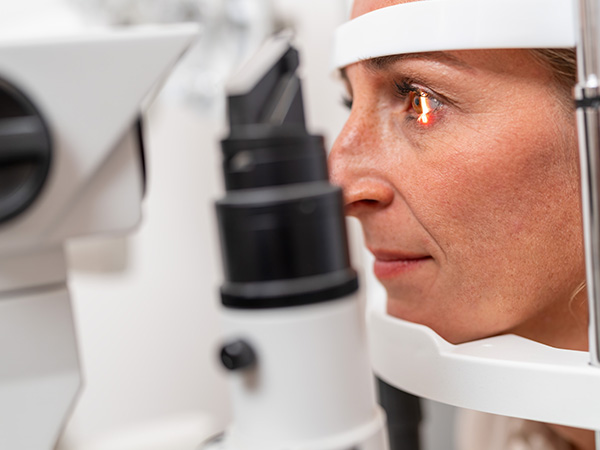
Find personalized eye care excellence with our comprehensive services. From eye exams to advanced diagnostics, trust us for all your vision needs.

Keep In Touch
For non-urgent questions or to learn more about our services, contact us today!
Quick Links
Contact Info
- 6704 Sterling Ridge Dr Suite D,
Woodlands, TX 77382 -
(Sterling Ridge Medical Plaza behind Perry's Steakhouse)
- Phone: (281) 270-4655
- Fax: (281) 270-1799
Hours of Operation
- Monday 9:00am - 5:00pm
- Tuesday 9:00am - 5:00pm
- Wednesday 9:00am - 5:00pm
- Thursday 9:00am - 5:00pm
- Friday 9:00am - 5:00pm
- Saturday Closed
- Sunday Closed
- Monday
- Tuesday
- Wednesday
- Thursday
- Friday
- Saturday
- Sunday
- Monday
- Tuesday
- Wednesday
- Thursday
- Friday
- Saturday
- Sunday
© 2026 Eye Thrive Woodlands. All rights Reserved -
Accessibility Statement
-
Privacy Policy
-
Sitemap
Managed and Designed by 